
Acute Kidney Injury Treatment in India
Comprehensive procedure guide, clinical indications, partner quaternary hospitals, and accredited surgical specialists in India.
Medically Reviewed by: Dr. Ahmed Kamaal, MBBS,MS, DNB Urology, Fellowship Renal Transplant
Senior Consultant at Amrita Hospital, Faridabad
Verified against international surgical standards and NABH/JCI clinical quality guidelines for international patient safety.
What You Need to Know (In Simple Terms)
Comprehensive Acute Kidney Injury (AKI) treatment in India featuring emergency hemodialysis, CRRT, renal intensive care, and nephroprotective protocols.
Clinical Overview & Definition
Acute Kidney Injury (AKI), formerly known as acute renal failure, is a rapid and sudden decline in renal filtration capacity occurring over hours or days. This abrupt impairment results in the accumulation of nitrogenous waste products (blood urea nitrogen and serum creatinine), severe electrolyte imbalances (notably hyperkalemia), and metabolic acidosis. In Indian partner hospitals, nephrologists classify AKI according to the KDIGO (Kidney Disease: Improving Global Outcomes) staging criteria, promptly differentiating prerenal azotemia (hypoperfusion), intrinsic renal parenchymal injury (acute tubular necrosis, acute interstitial nephritis), and postrenal urinary tract obstruction.
When is this Treatment Indicated?
Indications for emergency nephrological intervention in AKI include:
- Marked oliguria (urine output < 0.5 mL/kg/h for > 6 hours) or complete anuria
- Rapidly rising serum creatinine (≥ 0.3 mg/dL increase within 48 hours or ≥ 1.5 times baseline)
- Refractory hyperkalemia (serum potassium > 6.5 mEq/L) resistant to medical shifting therapy
- Severe metabolic acidosis (pH < 7.15) and symptomatic uremic encephalopathy or pericarditis
- Severe pulmonary edema and fluid overload unresponsive to high-dose loop diuretics
Surgical & Interventional Technique
Indian nephrology centers provide tailored renal replacement therapy (RRT) protocols based on hemodynamic stability:
- Continuous Renal Replacement Therapy (CRRT): Employed in hemodynamically unstable ICU patients using Continuous Veno-Venous Hemofiltration (CVVH) or Hemodiafiltration (CVVHDF) to remove toxins gently without inducing hypotension.
- Intermittent Hemodialysis (IHD): Used in stabilized patients via temporary double-lumen internal jugular venous catheter access.
- Sustained Low-Efficiency Daily Dialysis (SLED): Hybrid modality offering excellent solute clearance with minimal hemodynamic disruption.
- Etiology-Specific Interventions: Volume resuscitation with isotonic crystalloids, cessation of all nephrotoxic pharmacotherapy (NSAIDs, aminoglycosides, IV radiocontrast), and prompt surgical relief of urinary tract obstructions.
Pre-Operative Assessment & Eligibility
Serum creatinine, BUN, arterial blood gases (ABG), serum electrolytes, complete urine analysis, renal duplex ultrasound, and cardiac assessment.
Patient Pathway & Hospital Stay
Day 1: Emergency nephrology admission, central venous catheter placement under ultrasound guidance, initial hemodialysis/CRRT. Days 2-5: Daily renal function monitoring, fluid and electrolyte titrations, treatment of underlying sepsis or primary cause. Days 6-10: Diuretic phase monitoring, gradual weaning from dialysis, nutrition support. Days 11-12: Catheter removal, discharge counseling, and outpatient renal follow-up clearance.
Recovery Timeline & Flight Clearance
Renal parenchymal recovery generally occurs over 2 to 6 weeks. Patients undergo serial weekly creatinine checks, adhere to temporary low-protein and electrolyte-balanced diets, and obtain fit-to-fly clearance around day 12.
Senior Surgeons & Specialists
Browse All Doctors →
Dr. Gagan Deep Chhabra
Director & Unit Head – Nephrology & Kidney Transplant

Dr. Saurabh Pokhariyal
Principal Director & Unit Head - Nephrology & Renal Transplant Medicine

Dr. Dinesh Khullar
Chairman - Nephrology & Renal Transplant Medicine

Dr. Vikram Kalra
Senior Consultant – Nephrology & Kidney Transplant
Partner Hospitals for Acute Kidney Injury Treatment
Browse All Hospitals →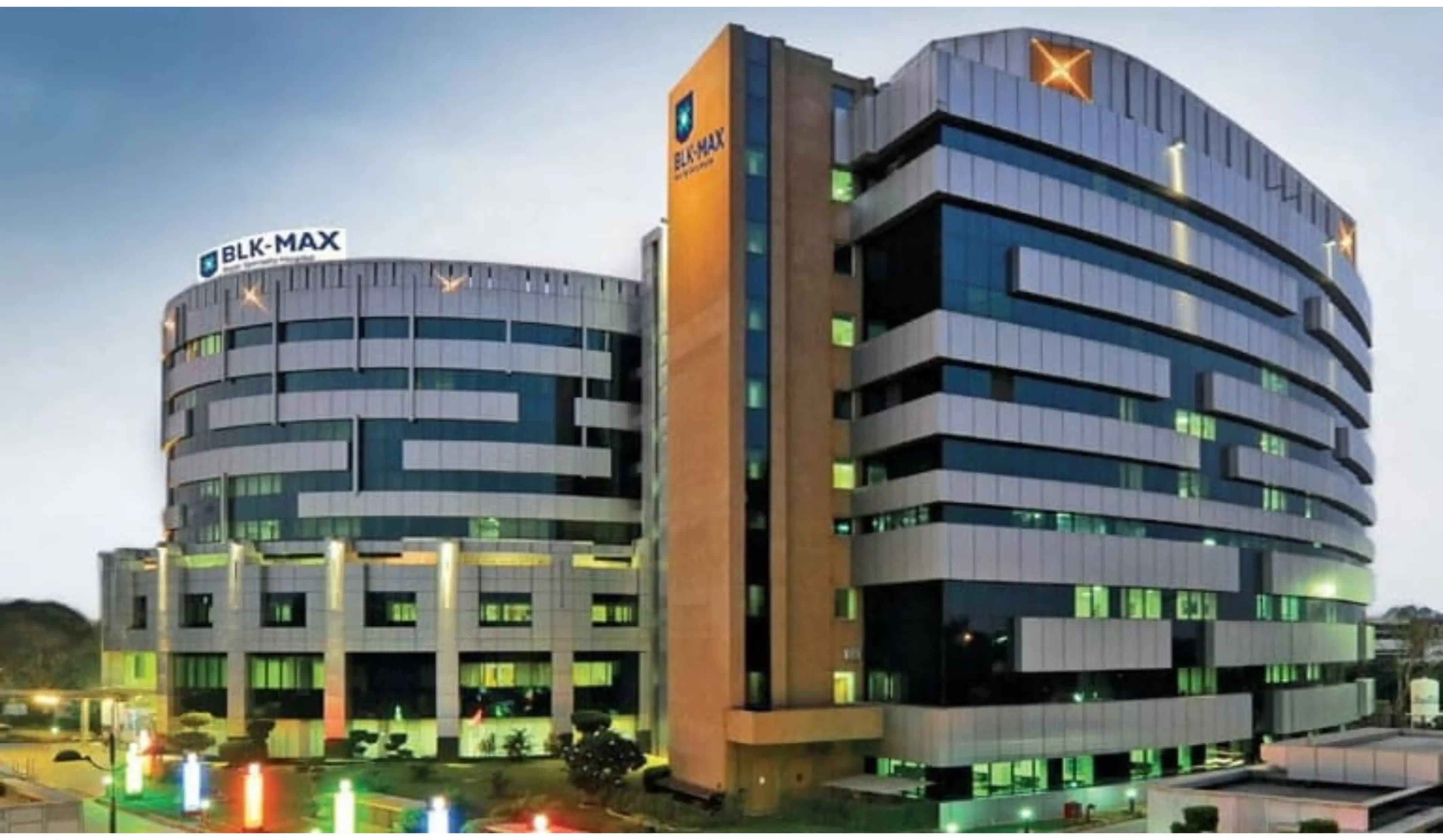
BLK-Max Super Speciality Hospital, Delhi
BLK-Max Super Speciality Hospital, New Delhi, established in 1959 and significantly expanded into a modern healthcare po...
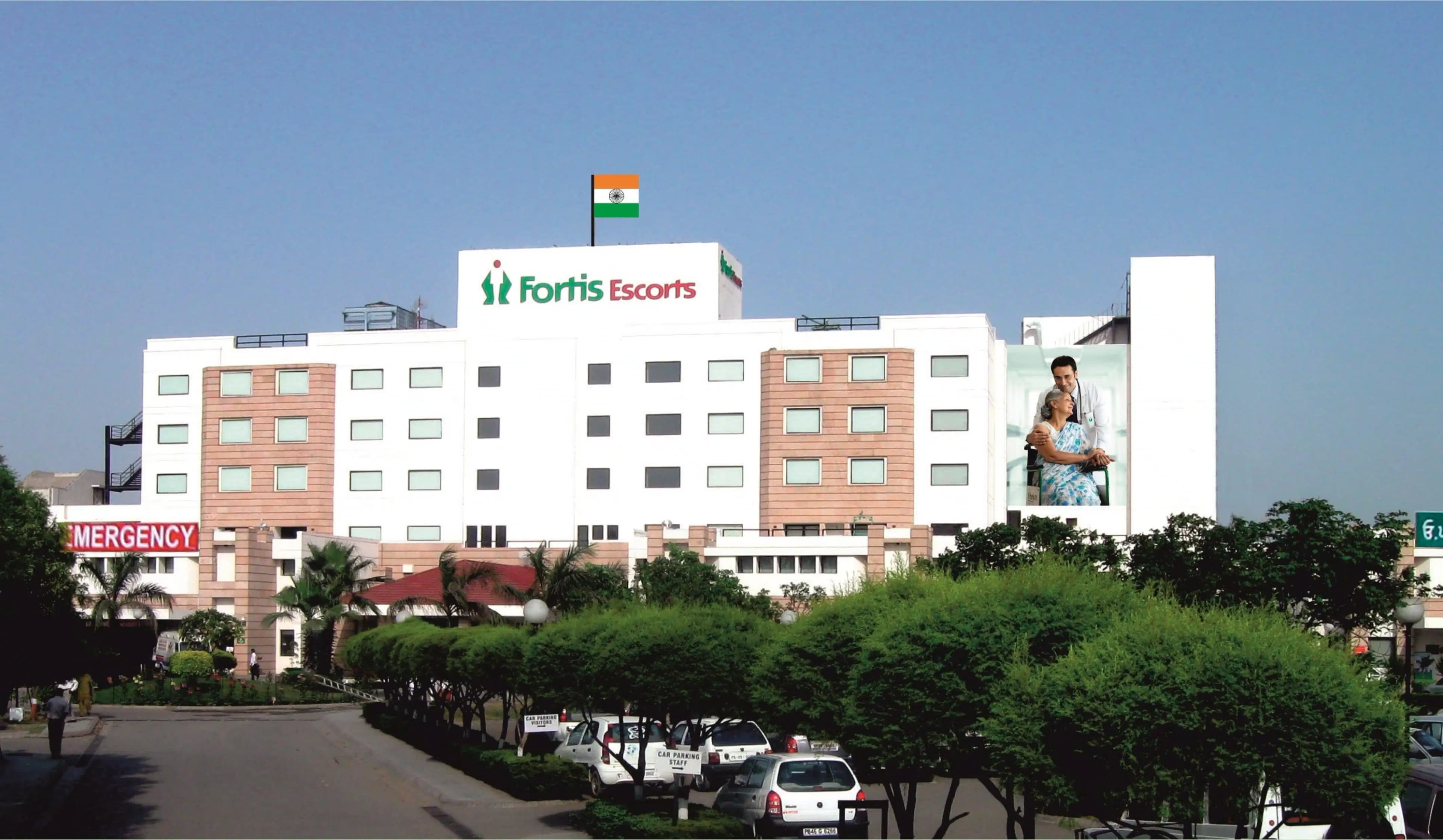
Fortis Escorts Heart Institute, Delhi
Fortis Escorts Heart Institute (FEHI), New Delhi, established in 1988, is one of the world's most prestigious cardiac ce...

Fortis Hospital Vasant Kunj, Delhi
Fortis Hospital Vasant Kunj, established in 1996, is a premier multi-specialty tertiary care hospital in South Delhi, lo...
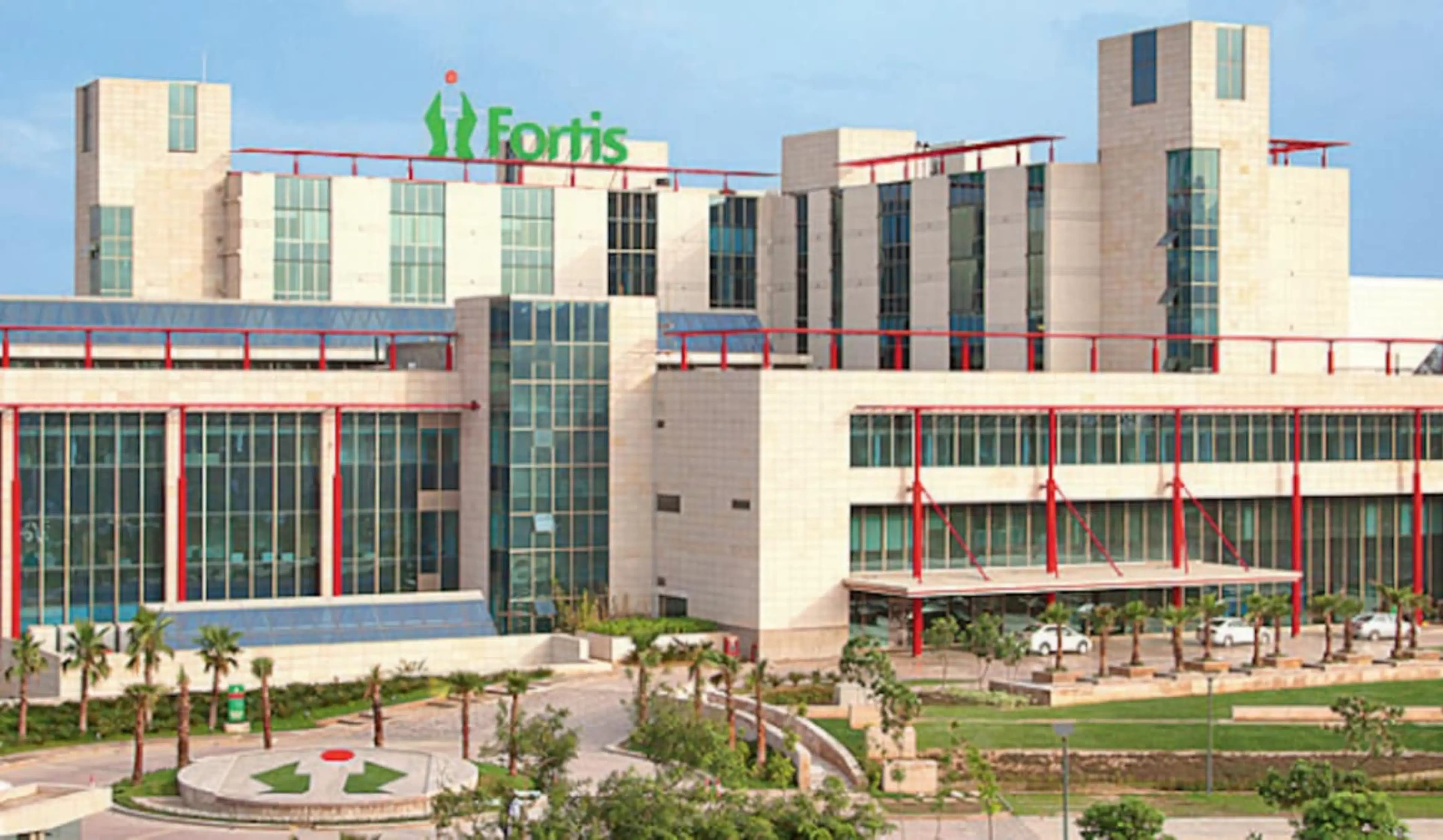
Fortis Memorial Research Institute, Gurgaon
Fortis Memorial Research Institute (FMRI), Gurugram, is a premier multi-super specialty quaternary care hospital in Indi...
Frequently Asked Questions
This guide is developed for medical tourism educational guidance. Individual surgical suitability, implant selection, and clinical risks must be evaluated personally by the operating specialist surgeon following pre-admission diagnostics.
Last clinical audit date: 11/8/2026
International Concierge Support
- Written formal quotation directly from hospital billing.
- Express medical visa invitation letter assistance.
- Complimentary airport pickup and bilingual coordinator.